The British Are Not Coming


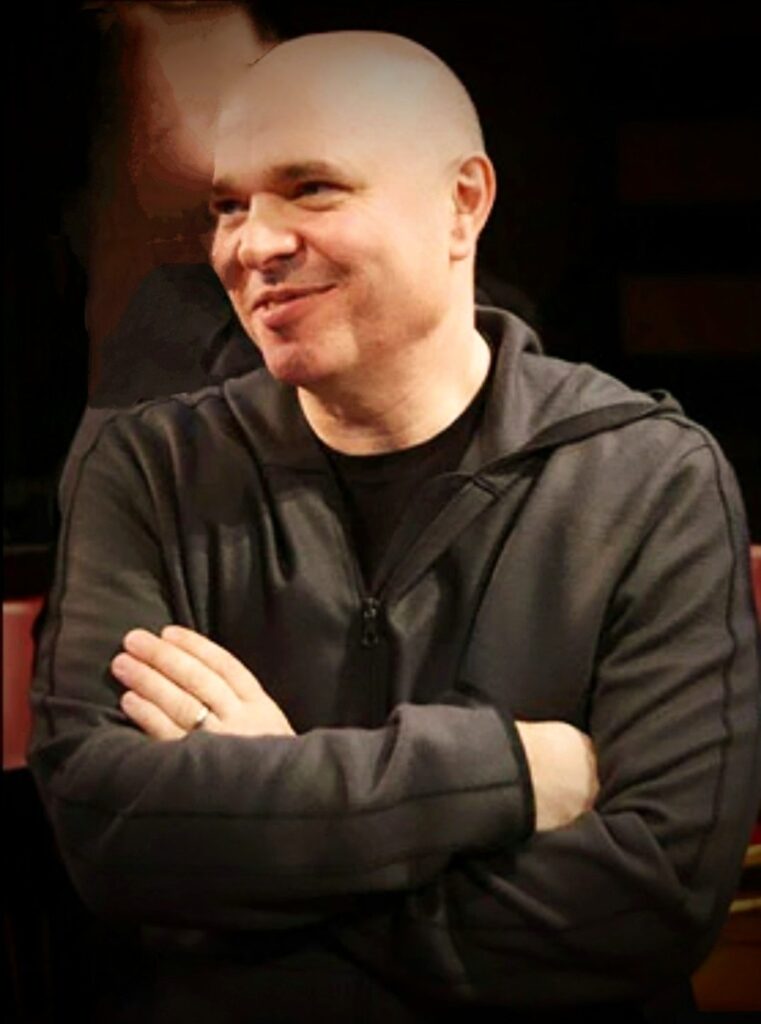
Eighteen years ago today, we lost my amazing brother, Anthony.

Friends will know how much he meant to me, to our sisters, and of course to the whole family.

It was an earthquake, and, much as we try to rebuild, it can never be the same construction.

As my friend Pat put it recently, grief has a half life of forever.

Not least because, as we age, life’s time bombs seem to detonate ever more closely by.

Speaking of constructions, Anthony was the Chair of the British Film Institute (BFI) – championing British film with his characteristic wisdom and irresistible charm.

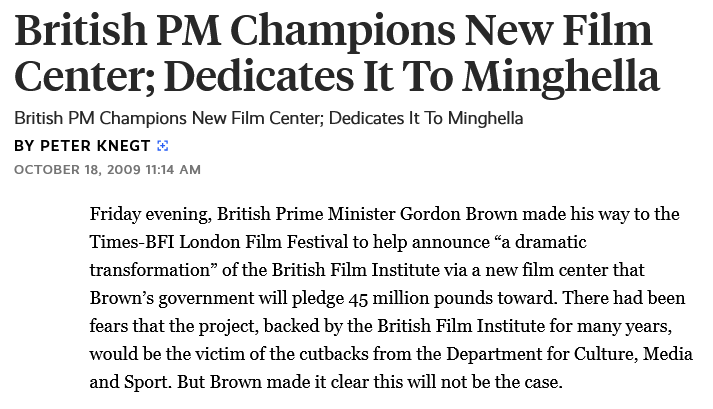
It was no great surprise that after he died, the government announced a new landmark building for the BFI on London’s South Bank, which was to be dedicated to Anthony.

When David Cameron and George Osborne took power in 2010, they sold ‘austerity’ to the British public (and a surprising number of economists). Cutting into the bone of an already ailing post-crash economy did untold and lasting harm to the UK, and literally took lives, so the withdrawal of funds for new premises for the BFI seems relatively insignificant.

Even so, Anthony’s work arguably represented a high water mark for ‘artistic’ British content; the era of the streamers has masked the reality that small and medium budgeted British stories have all but disappeared.

As the industry continues to contract, we’re no longer seeing headlines like “the British are coming!” in Hollywood’s press.

The opposite, in fact. At the Oscars last weekend, there were no British actors nominated in the top two categories – for the first time since 2012.

That’s not to do with the failure to build a building with my brother’s name on it.

But it is to do with a cultural complacency. British stories, in film and TV and beyond, don’t arrive by magic. They need painstaking, risky development, a real prospect of well-funded production, and effective marketing to compete on the international stage, especially alongside well-funded American content. They need muscular institutional support.

Are good small, very British stories completely dead? No. Think, for example, of the surprise hit I SWEAR by the talented Kirk Jones, doing what our filmmakers do best. John Davidson’s struggle with Tourette syndrome is a great, funny, tragic, important “underdog” story, very well told. But Kirk’s budget was both very small, and to an alarming extent, funded by the sale of his own home.

This is no way for a country with serious cultural cred to carry on.

2010 was a pivotal moment: instead of keeping faith with one of Britain’s major cultural success stories, the government introduced across-the-board cuts to the arts. Attempts to revive the building project, despite considerable private funding, never quite worked without that pledged support from central government.

Anthony is honoured in many ways, with university buildings, theatres, plaques and even a road in his name. Not to mention the legacy of his plays, radio plays, screenplays, opera stagings, and films both directed and produced. His contribution won’t be forgotten.

But that ambitious revival of the BFI, regardless of any dedication, might have been just the act of faith necessary to set British filmed storytelling on the right path.

I can’t help thinking that faith, too, has a half life of forever.
Article: In the mid-90s I set fire to myself

In the mid-90s I set fire to myself. My sister and her husband arrived for dinner from the Isle of Wight. I turned up the gas on the stove and threw the pasta into the boiling water.

As they came in I turned to greet them. The kitchen in our little flat was tiny. I leaned back and saw their faces turn from glad-to-be-here to sheer horror. Then I felt the flames at my back. My shirt was on fire.

I’ll spare you the details but I was extensively burnt. At Hammersmith A&E I waited many hours with no treatment for a doctor to examine me, just a protective pad over my back.

As I waited in pain I consoled myself that I was faring better than the previous occupant of my cubicle: it was spattered with blood, in an impressive, murder-scene arc.

Eventually an exhausted young doctor examined me. She was so tired that she did not lift the pad, but saw some exposed burns near it, and thought them minor. A nurse had to lift the pad and show her the full extent of my burns.

My injuries would have been better if I had not had to wait hours without treatment, but they were not so bad as to require admission. I was cleaned up and bandaged up and told to return daily.

On my next visit, a doctor asked a nurse to clean up my burns. I heard muttering outside and then the doctor exploded. “We’re in a major London A&E – are you telling me we don’t have a disinfectant to clean this patient’s burns?” That WAS what they were telling him.

Eventually the doctor asked for saline and hydrogen peroxide and mixed them and cleaned me up himself. After a few days, I began to feel really fragile. Going by bus to the hospital was really uncomfortable. I boarded slowly and carefully, irritating others.

When the bus jolted and I hit my back, I wanted to cry out. I was exhausted and in pain and remembered feeling: this could be what it feels like to be old in the city and not getting the care you need.

Several days after my accident, I was back again in the A&E cubicles awaiting another dressing change. I realized it was the same cubicle I had lain in for hours on that fateful night. It had the same arced blood spatter on the walls, now old and dried and so very, very grim.

Back on the bus, sitting forward and hanging on tight like an old man, a rage grew inside me and I thought: our NHS is screwed. We have to do something. We cannot just let this happen. I got in touch with my local Labour Party and signed up.

I wasn’t a campaigner back then, but I followed politics with a new keenness. I was in my mid twenties and already feeling vulnerable. I wanted a healthcare system that would see me through, and there was every sign that that was a pipe dream. No disinfectant in A&E, FFS.

John Smith died and I watched the hustings for the new Labour leader. Prescott, Beckett and this young guy, Blair. Blair looked nervous as hell, but spoke with vision and optimism. Three years later, Britain was a different place, with a future ahead of it, a sense of renewal and community.

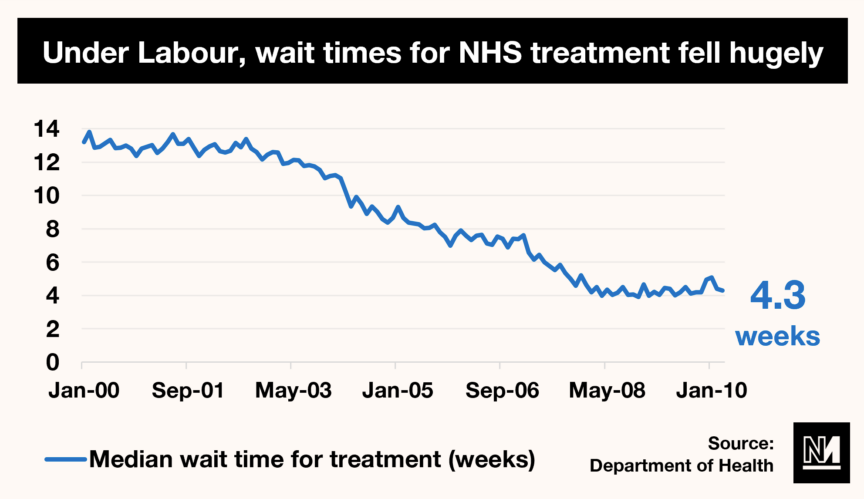
The NHS was rebuilt. A four-hour limit was set on A&E waiting times. Spending was raised to the EU average. Treatment waiting lists steadily shortened. I had started a family and my fear that the health service might, some day, cease to be there for us fell away.

I forgot all about that moment in 1994. The long painful wait in the night. The obviously overworked doctor. The absence of disinfectant. The uncleaned cubicle. Those days were gone. By the end of the Labour government, the NHS was our proudest boast.

The NHS, still, for the 2012 Olympics, was THE thing that united us and even defined us. But it didn’t come to define us by accident. It did so as a result of a Labour government’s steady investment, commitment and reform. It wasn’t perfect, but oh boy, it was better.

And yet here we are again. The NHS is in existential crisis. On Sunday, Royal College of Emergency Medicine president Dr Adrian Boyle said between 300 and 500 people were dying every week as a result of delays to emergency care. Once again, we must hope and push for a decent government to restore it. It will come. It will happen. But meanwhile, many of us will have our confidence tested, and our sense of security stripped away.

Some of us will wait too long in pain for acute or chronic care. Others may pay the ultimate price of bad government. If you are worried, as I was and as I am, do something. Hold on tightly on the bus, get home and join a progressive party. Campaign. Win. And #takebackBritain.

The Conversation

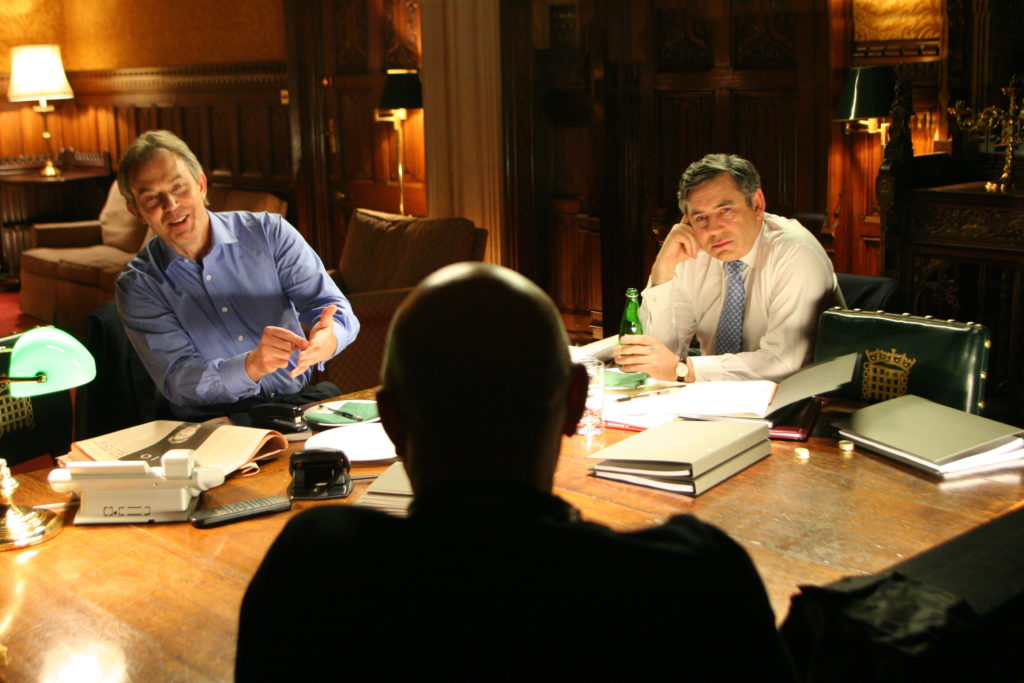
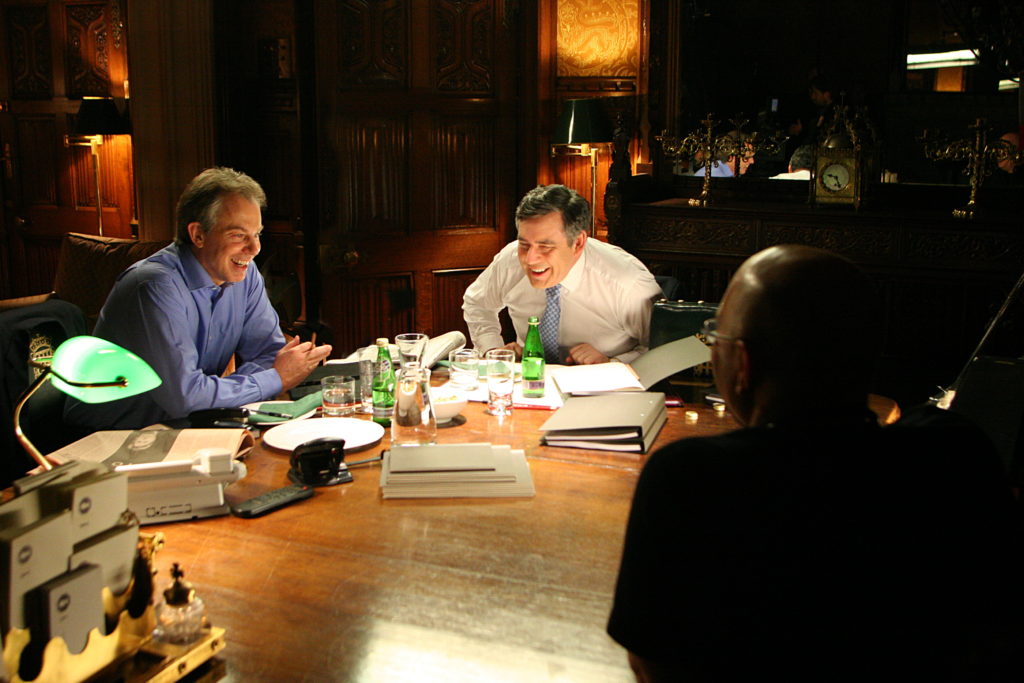
It’s pretty much exactly 16 years since Labour won a general election. This election broadcast film, The Conversation, was a memorable part of that campaign. It was produced by my partner at Lucas/Minghella, Mark Lucas, and directed by my brother, Anthony.

Video courtesy of Silverfish Films.

PS. There’s a terrific untold story about the filming of The Conversation. I’m minded to turn it into a drama. Watch this space!!