The British Are Not Coming


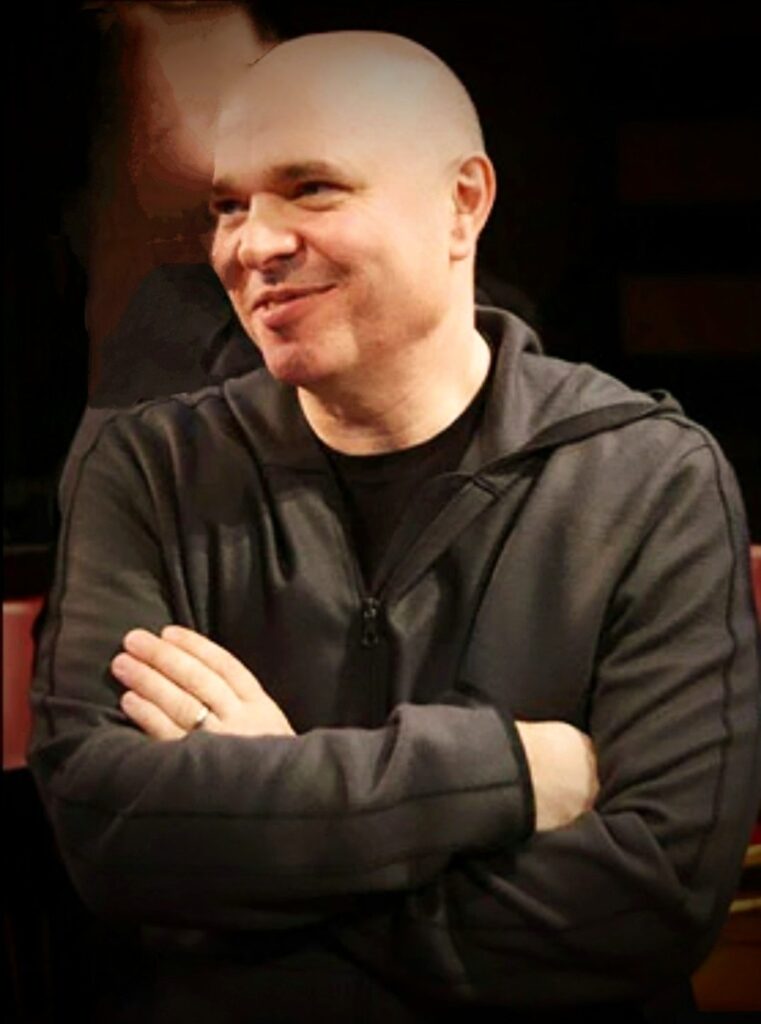
Eighteen years ago today, we lost my amazing brother, Anthony.

Friends will know how much he meant to me, to our sisters, and of course to the whole family.

It was an earthquake, and, much as we try to rebuild, it can never be the same construction.

As my friend Pat put it recently, grief has a half life of forever.

Not least because, as we age, life’s time bombs seem to detonate ever more closely by.

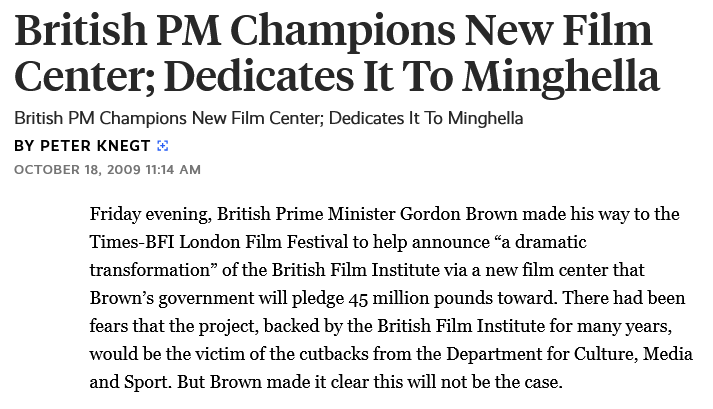
Speaking of constructions, Anthony was the Chair of the British Film Institute (BFI) – championing British film with his characteristic wisdom and irresistible charm.

It was no great surprise that after he died, the government announced a new landmark building for the BFI on London’s South Bank, which was to be dedicated to Anthony.

When David Cameron and George Osborne took power in 2010, they sold ‘austerity’ to the British public (and a surprising number of economists). Cutting into the bone of an already ailing post-crash economy did untold and lasting harm to the UK, and literally took lives, so the withdrawal of funds for new premises for the BFI seems relatively insignificant.

Even so, Anthony’s work arguably represented a high water mark for ‘artistic’ British content; the era of the streamers has masked the reality that small and medium budgeted British stories have all but disappeared.

As the industry continues to contract, we’re no longer seeing headlines like “the British are coming!” in Hollywood’s press.

The opposite, in fact. At the Oscars last weekend, there were no British actors nominated in the top two categories – for the first time since 2012.

That’s not to do with the failure to build a building with my brother’s name on it.

But it is to do with a cultural complacency. British stories, in film and TV and beyond, don’t arrive by magic. They need painstaking, risky development, a real prospect of well-funded production, and effective marketing to compete on the international stage, especially alongside well-funded American content. They need muscular institutional support.

Are good small, very British stories completely dead? No. Think, for example, of the surprise hit I SWEAR by the talented Kirk Jones, doing what our filmmakers do best. John Davidson’s struggle with Tourette syndrome is a great, funny, tragic, important “underdog” story, very well told. But Kirk’s budget was both very small, and to an alarming extent, funded by the sale of his own home.

This is no way for a country with serious cultural cred to carry on.

2010 was a pivotal moment: instead of keeping faith with one of Britain’s major cultural success stories, the government introduced across-the-board cuts to the arts. Attempts to revive the building project, despite considerable private funding, never quite worked without that pledged support from central government.

Anthony is honoured in many ways, with university buildings, theatres, plaques and even a road in his name. Not to mention the legacy of his plays, radio plays, screenplays, opera stagings, and films both directed and produced. His contribution won’t be forgotten.

But that ambitious revival of the BFI, regardless of any dedication, might have been just the act of faith necessary to set British filmed storytelling on the right path.

I can’t help thinking that faith, too, has a half life of forever.
Burt Bacharach

Burt Bacharach’s sad passing today reminded me of this little gem.

Beautiful Annabella Sciorra and Vincent D’Onofrio, Matt Dillon and Mary Louise Parker, and Brooke Smith in the ‘Say A Little Prayer’ scene in Mr Wonderful (Anthony Minghella, 1993).

Those were lovely days with my brother in New York. If I remember rightly, the dollar was two to the pound, the world was full of possibility, and love was still a thing. Prayers were still a thing.

Alan Rickman 5 years on

Five years since we lost Alan Rickman. Not just a great actor, but the kind of man who would quietly post cheques to struggling fellow actors to enable them to keep going. Our family was lucky and honoured to have him as a friend.

Somewhere there’s a lovely picture of the time we did a weekend self-hypnosis course with Alan and Rima, Anthony and Carolyn, my nephew Max, Duncan Kenworthy, and me. At one point we were given massive safety pins to put through our flesh. Alan did it in a flash, and felt no pain. “I’ve done it!” he said in that chocolatey drawl of his. He was easily the best at “getting into state”. Of course he was.

RIP

 
Cinque anni da quando abbiamo perso Alan Rickman. Non solo un grande attore, ma il tipo d’uomo che avrebbe tranquillamente inviato assegni a colleghi in difficoltà per permettere loro di andare avanti con la loro carriera. La nostra famiglia è stata fortunata e onorata di averlo come amico.
 
Da qualche parte c’è una bella foto di quando abbiamo fatto un corso di autoipnosi nel fine settimana con Alan e Rima, Anthony e Carolyn, mio nipote Max, Duncan Kenworthy ed io. A un certo punto ci hanno dato delle enormi spille da balia, con cui trafiggerci la pelle, fino in fondo. Alan lo fece in un lampo, e non sentì alcun dolore. “Ce l’ho fatta!”, disse in quel suo accento di cioccolato. Era facilmente il migliore nell “mettersi in stato”. Ma certo che lo era.
 
RIP

Michelle Guish

from 24 Jan 2020

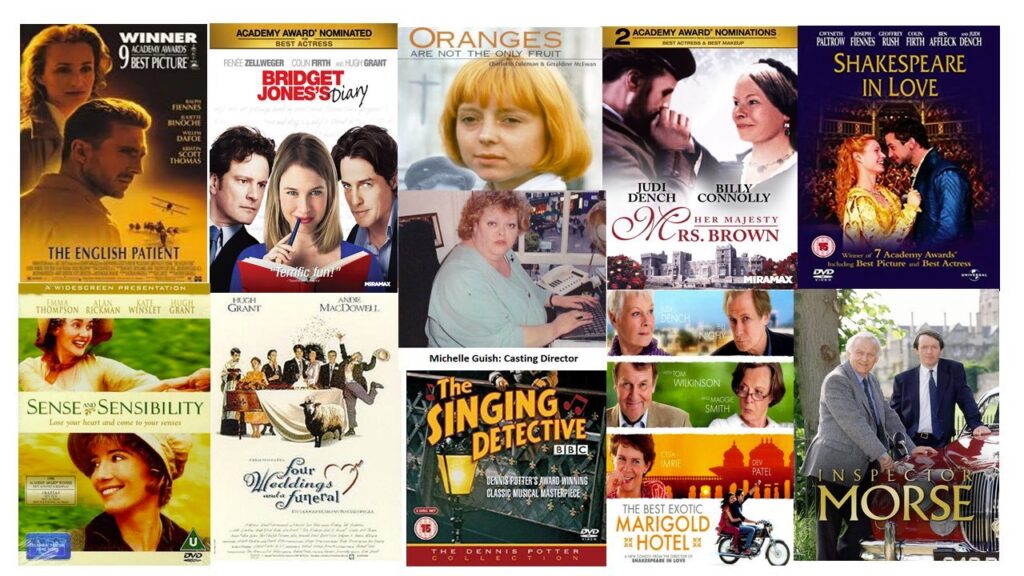
Shakespeare in Love
Four Weddings and a Funeral
The English Patient
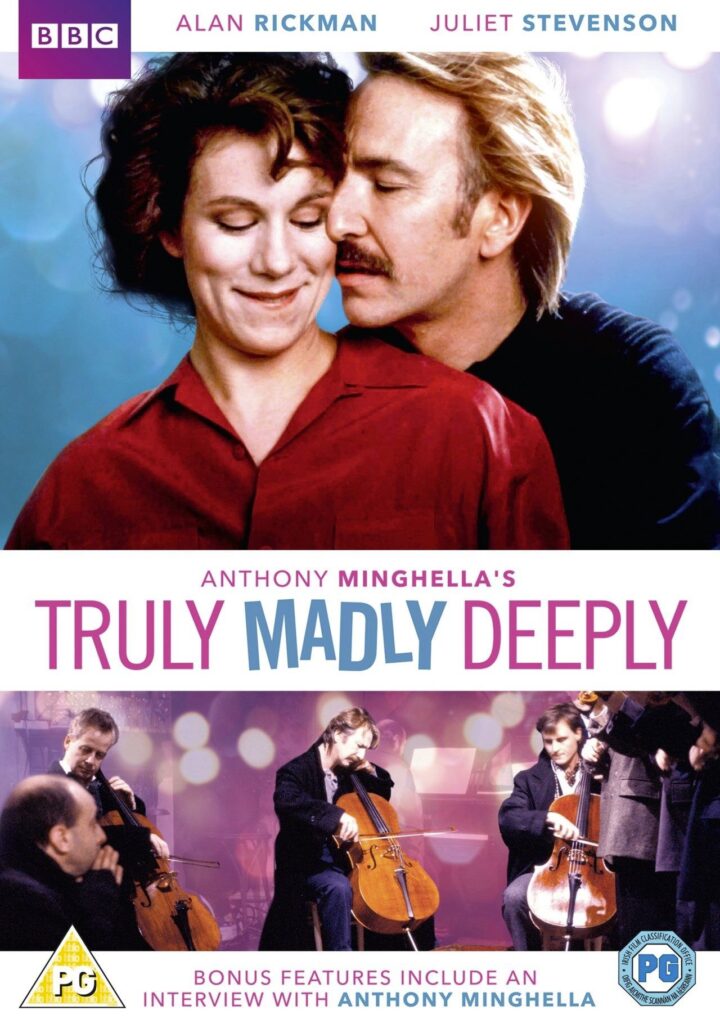
Truly Madly Deeply
The Singing Detective
 
The list is looong,
And the work was fantastic.
That’s why Michelle Guish was the casting directors’ casting director.
 
But she was also our “industry Mum”. She hired my partner, Sarah Beardsall, straight out of college, and looked after us both, and taught us the virtues of craft, diligence and integrity in our work.
 
When I was broke, I’d find a tenner in my jacket pocket, and know it was Mishi quietly looking out for me.
 
Whenever I fill a dishwasher, still, I remember the machine she bought us for our first kitchen in 1993.
 
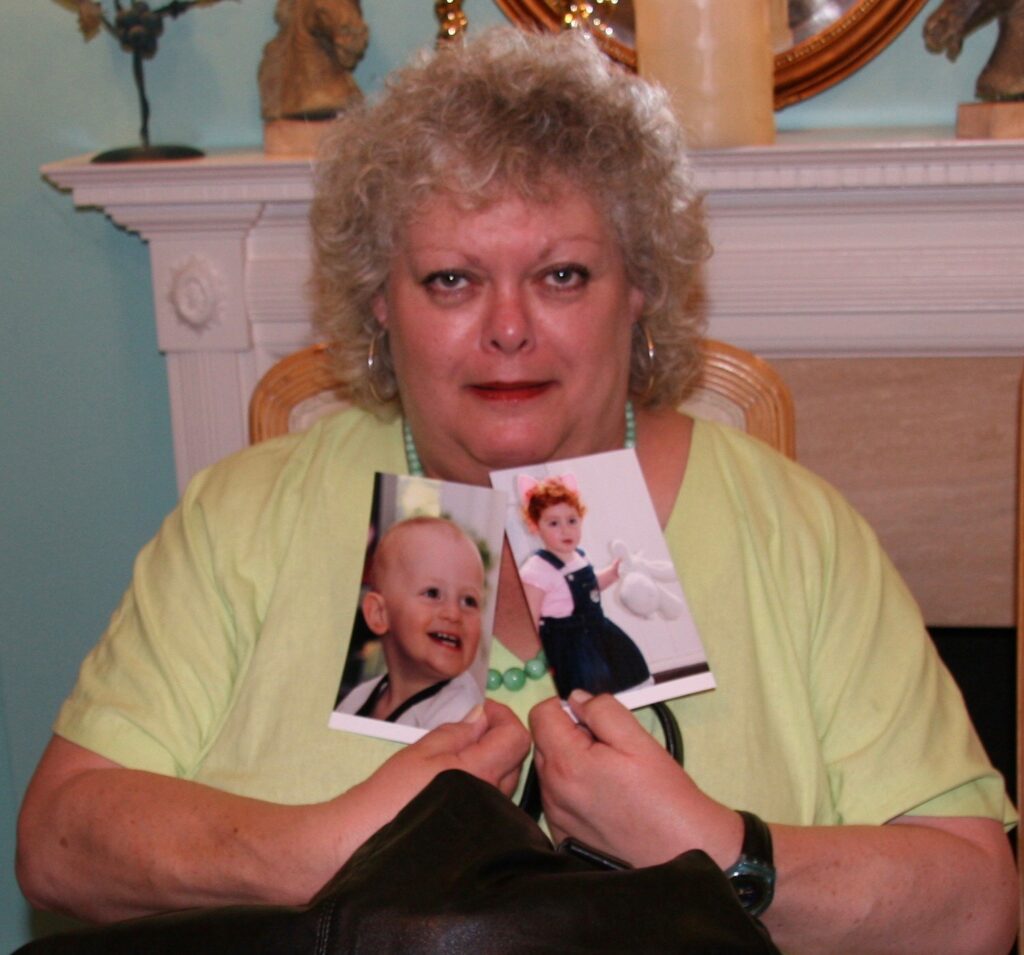
Or how she took our first born, rested him on her shoulder, and didn’t so much pat as whack him into calmness.
 
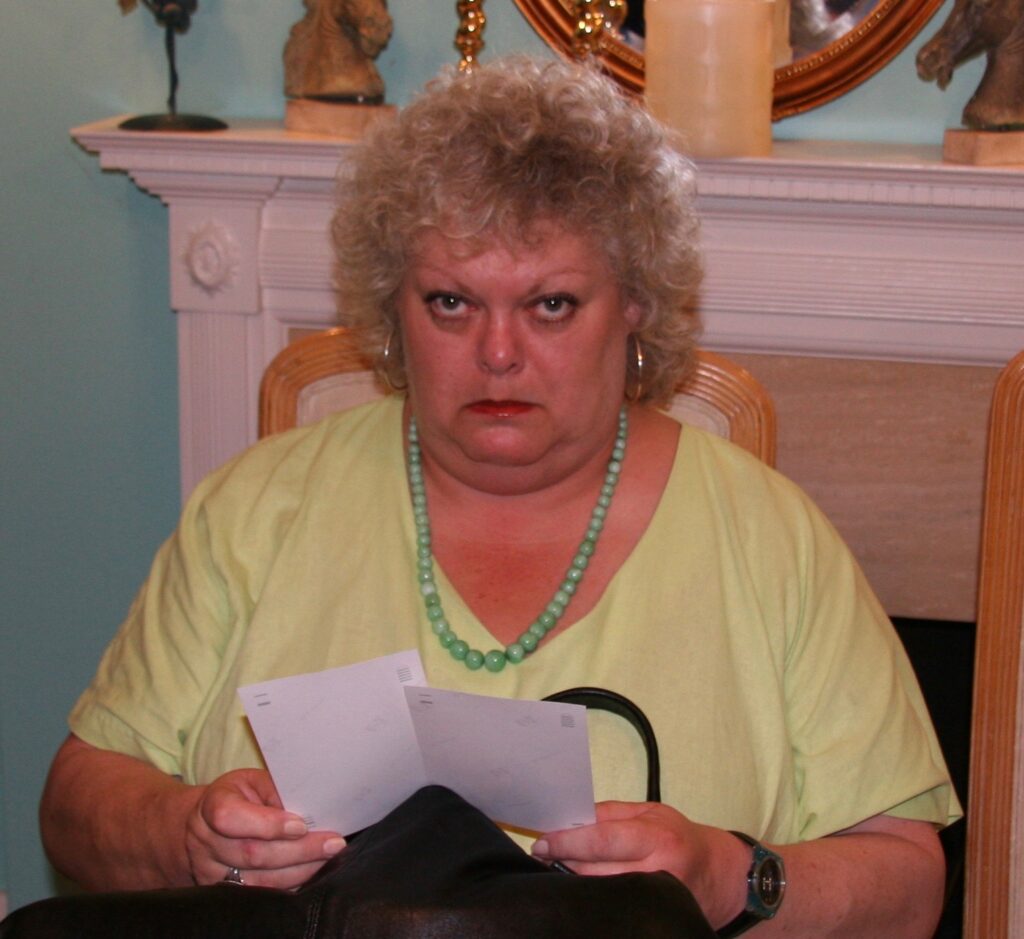
A no-nonsense person who could judge – and crush – your terrible ideas with a raised eyebrow or a deft squish of her brightly-lipsticked mouth.
 
Who loved actors, directors and the business of storytelling.
 
Who owned every single room she sat in.
 
Had waiters or shop assistants gladly running to service her every need.
 
Whose personality was plus, triple plus — and oh, that laugh, piercing and infectious, that went with it.
 
Who could be the centre of everything and yet, and yet, was so private too. You won’t find much about her online, and even less FROM her.
 
She had that extraordinary personality, but she valued professionalism too. She would never gossip. She didn’t schmooze. She cared only about getting the work right. She was the real deal. She was kosher.
 
And the thought that she is gone….?
 
Just like a Mum, you could call her — Sarah did, and I knew I could — and go straight to the heart of your troubles, and hope for sound advice.
 
And just like a Mum, the idea that you can’t call her any more… that that laugh has gone, that you’ll never see those censorious eyebrows and that gorgeously expressive face again… it’s too much to bear.
 
 
RIP Michelle Guish
9.3.1954 – 24.1.2020
 
The “Guish look”, from James Francis Trezza.
from James Francis Trezza